
Portfolio

Responses to change

Intesa Sanpaolocommissioned a project to measure the social impact of several major Italian museum institutions: Fondazione Brescia Musei, Gallerie d’Italia, Castello di Rivoli Museo d’Arte Contemporanea e Museo e Real Bosco di Capodimonte. The project, launched through a call promoted by the association Social Value Italia, aims to assess the benefits generated by museum activities, focusing on key themes such as social inclusion, well-being, and territorial development.

LAMA, together with ALTIS Advisory, is responsible for developing and implementing the evaluation. The work focuses on mapping social and economic impacts through an indicator-based framework, providing concrete data to support resource management, highlight achieved results, and improve museum strategies. The approach adopted actively involves stakeholders – including museum representatives, visitors, and local communities – to ensure a thorough and shared evaluation.

The aim of the project is, on the one hand, to provide cultural institutions with a structured and replicable measurement tool; and on the other, to highlight the positive changesgenerated by the museum experience.
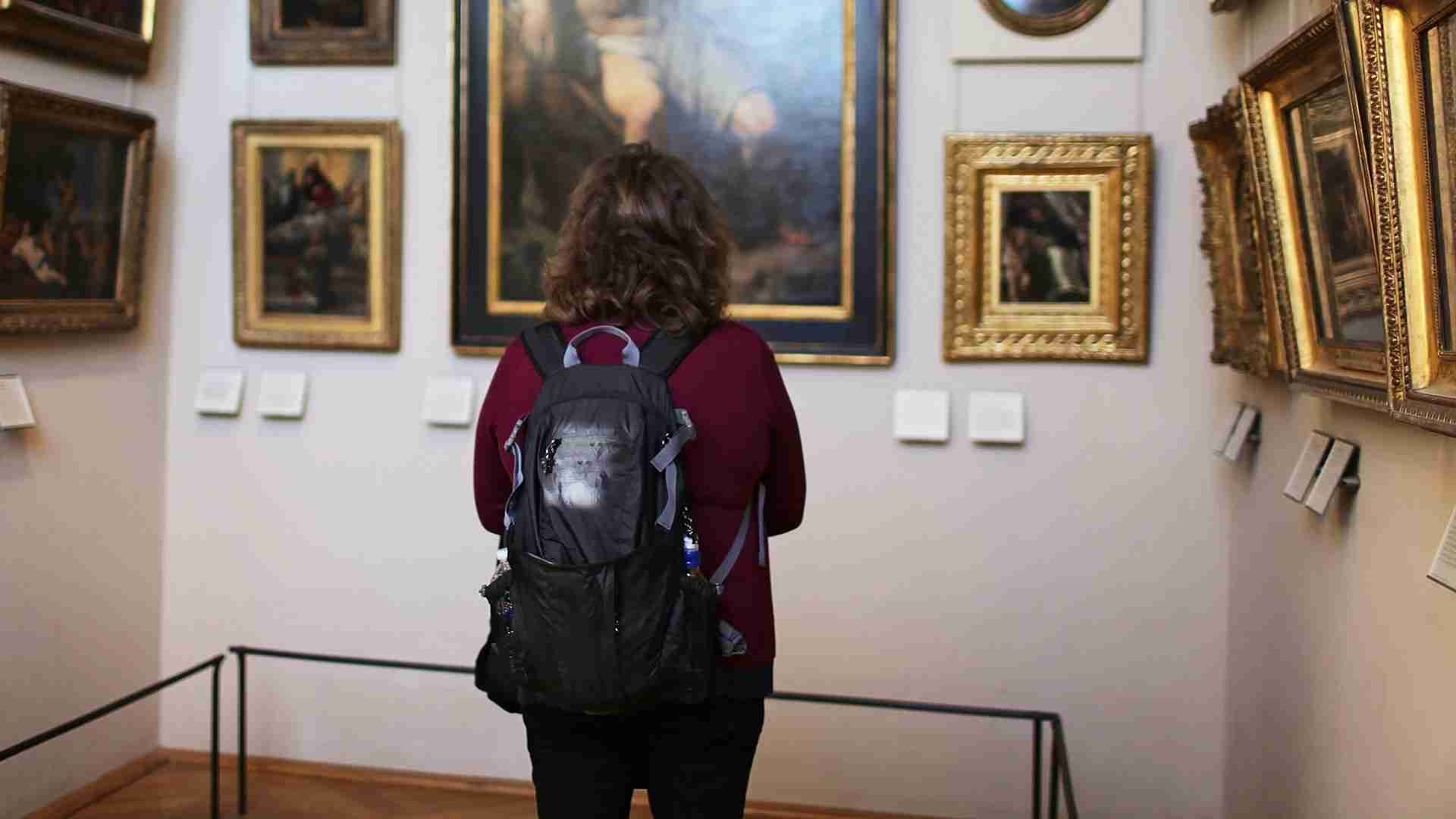
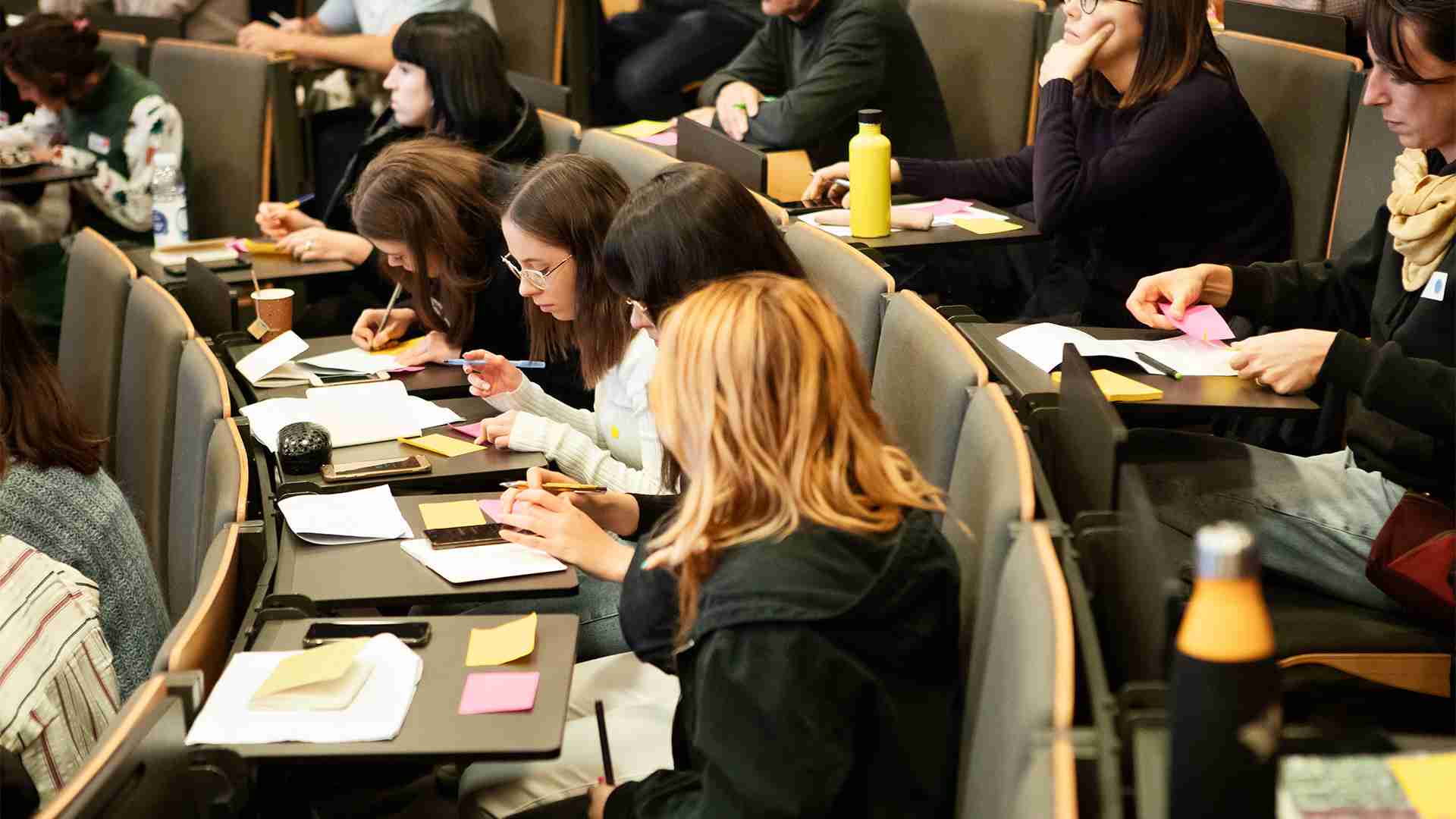
Immagine di donna all'interno di un museo mentre osserva alcuni quadri

EUREKA (European Urban REgenerators Knowledge Alliance) is an Erasmus+ project which aims to train new professional figures (urban regenerators) for the urban regeneration of the future, based on investment in knowledge and culture with a strong social impact. Led by the Iuav University of Venice, it involves in partnership 4 European universities and 11 actors from 9 different countries, including LAMA.

LAMA is in charge of the on-going monitoring of results and impact assessment (at micro, meso and macro levels) of the project in its entirety.

https://www.eure-ka.eu/

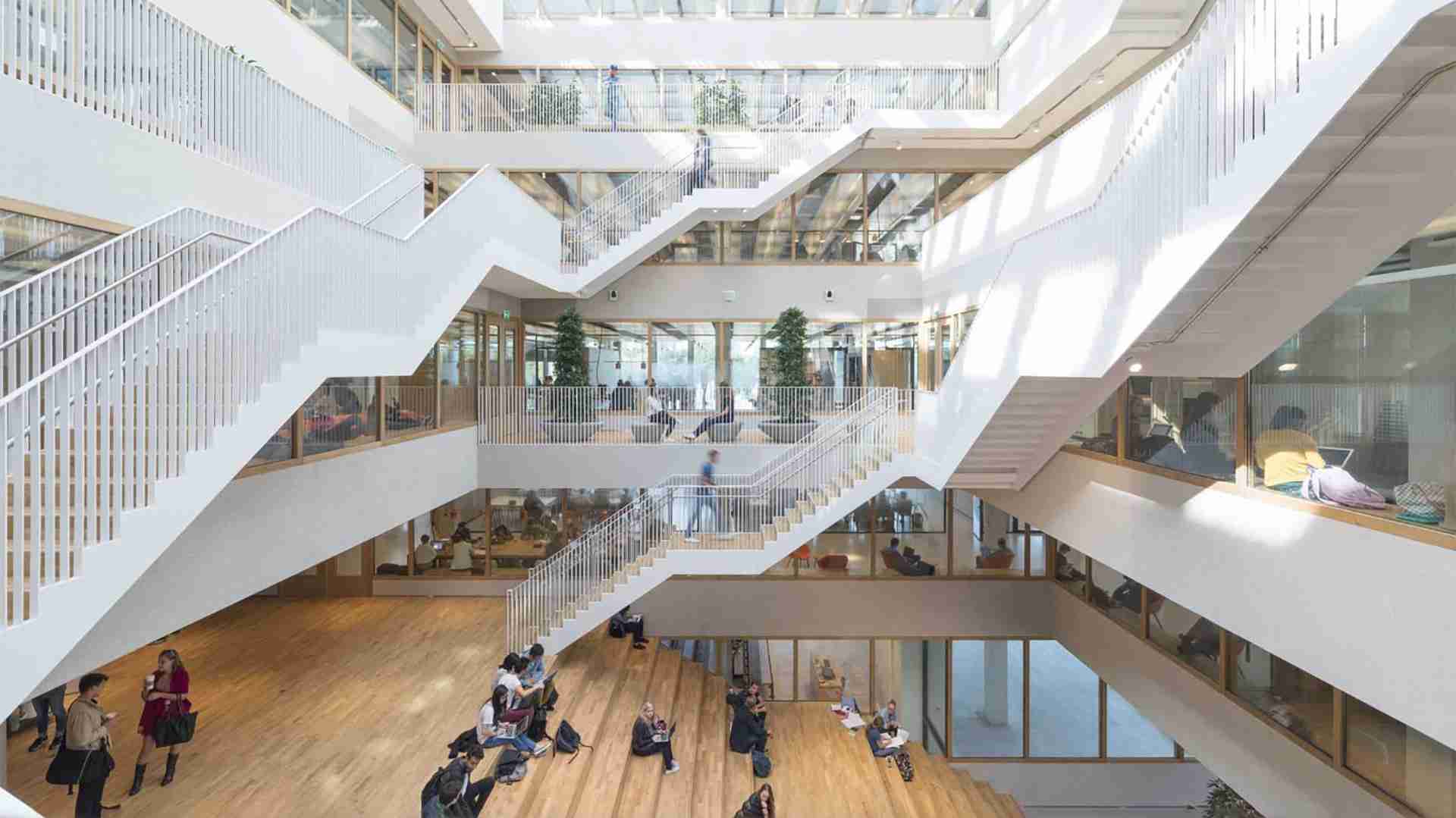
(Ph: Eureka – Amsterdam International School, by Bert Wisse)

In foto alcuni studenti del training Eureka che mira a formare gli innovatori urbani del futuro.

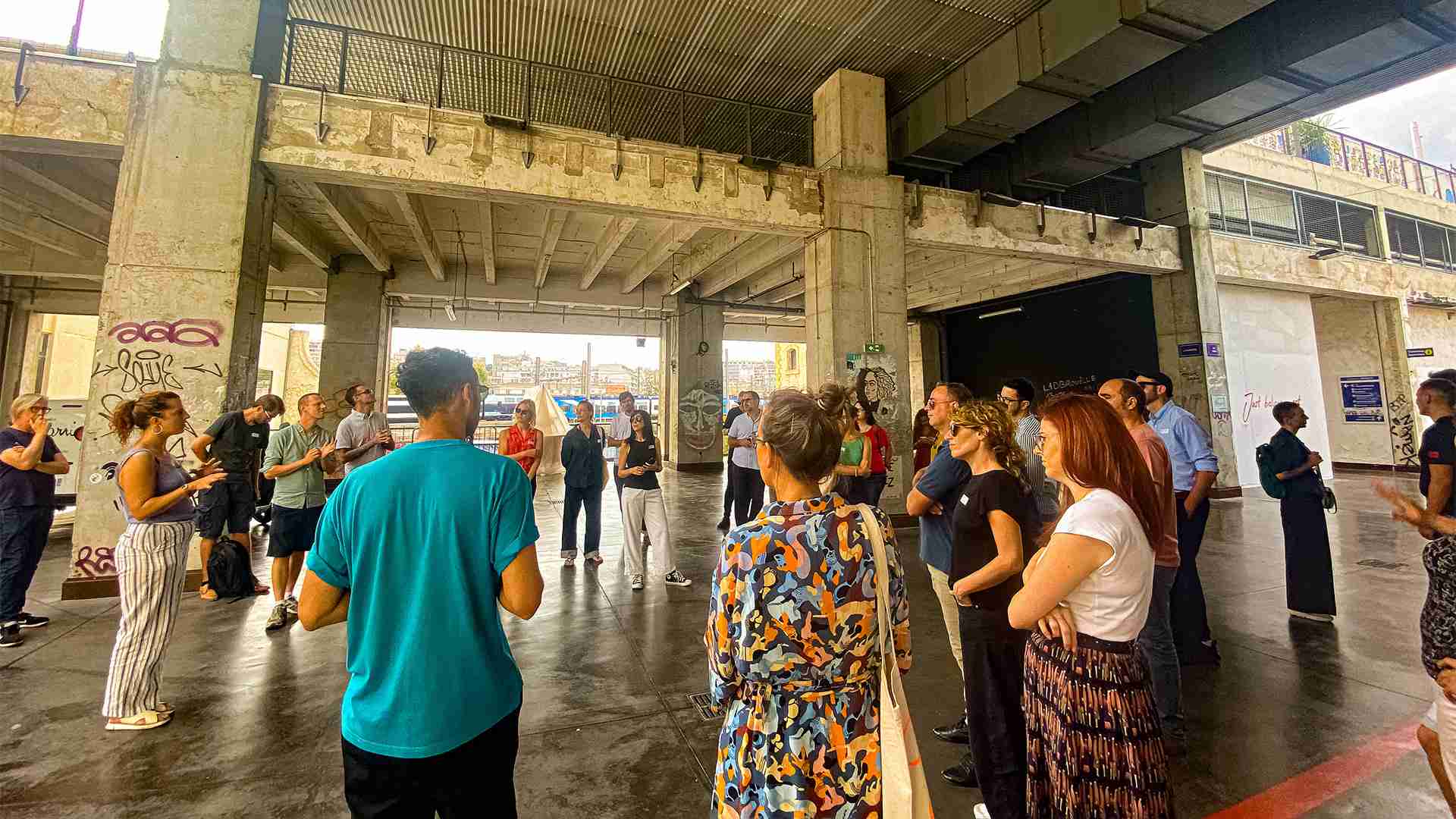
With a budget of 8.5 M€, co-funded by the European Commission on the Horizon 2020 program, T-Factor includes 25 partners from 11 European countries plus two from China and the US. Focusing on the time between approval of an urban regeneration master plan and site completion, T-Factor demonstrates how temporary uses of spaces can be extraordinary opportunities for cultural, social and economic activation, making regeneration more effective, resilient and sustainable.

LAMA, in collaboration with I-Propeller/KPMG, is in charge of the impact evaluation of the project, taking care of both the measurement of outcomes at the local level in the 6 pilot cities and the evaluation of the effectiveness and impact of the T-Factor’s “city mentoring” model, in terms of enhancing the pilots and local alliances activated. Finally, LAMA assesses the transnational impact of the project, in terms of the knowledge and exchange networks generated around sustainable regeneration issues.

www.t-factor.eu

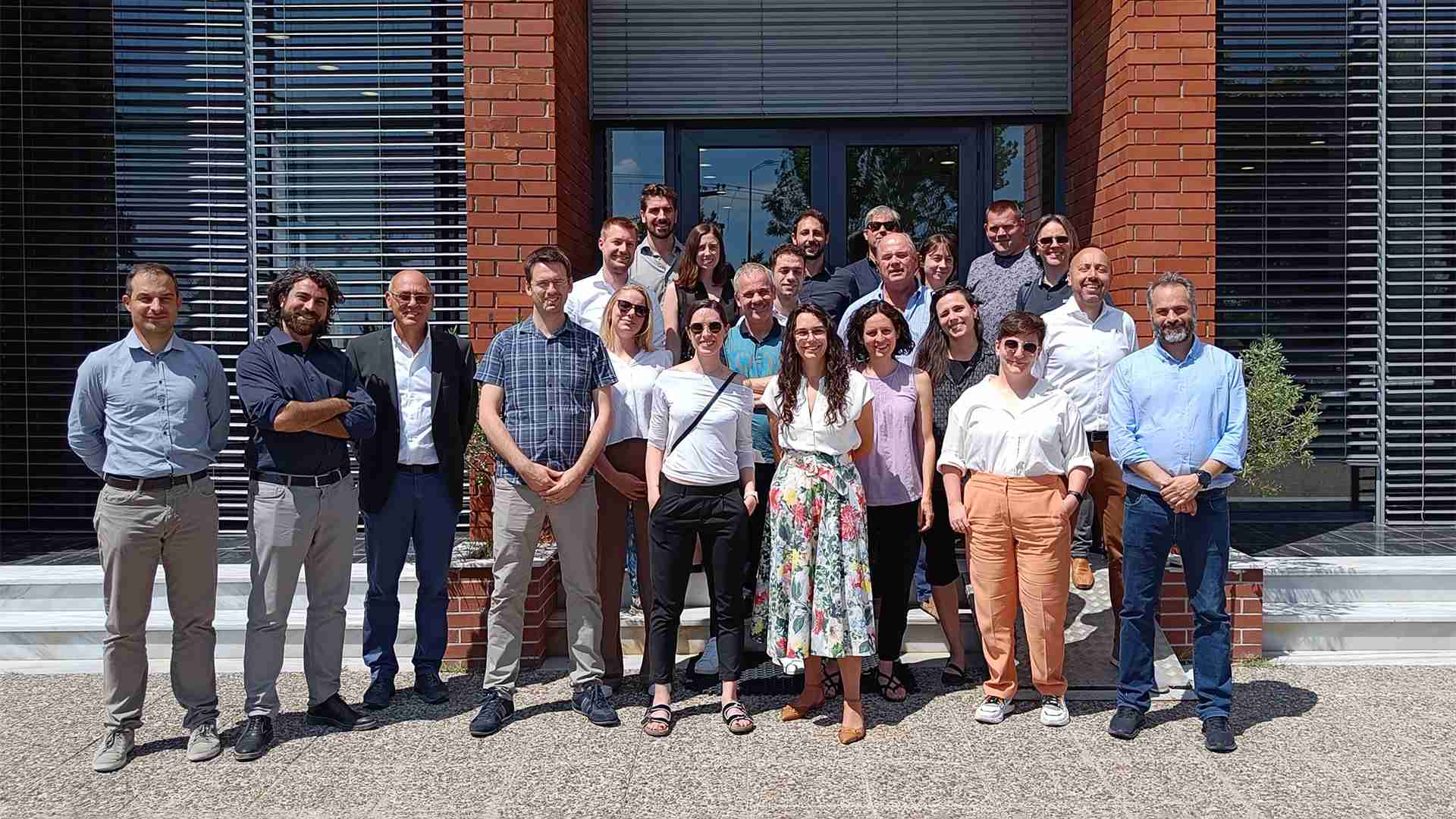
Usi temporanei degli spazi: questo l'argomento principale del progetto T-Factor nella cui foto sono ritratti i partner europei durante un meeting

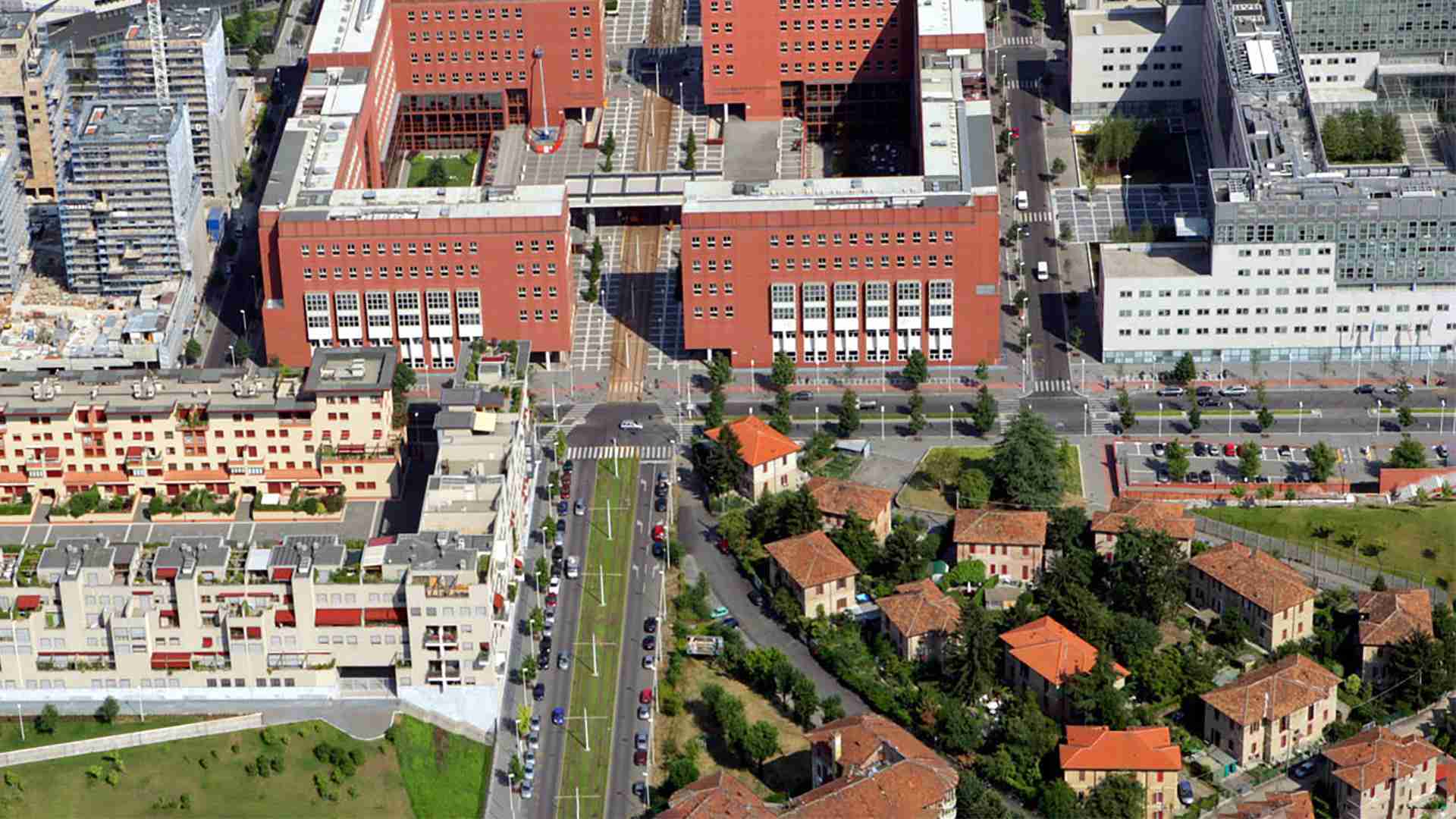
LAMA carried out the context analysis for the urban regeneration initiative led by Kervis SGR in the Bicocca district of Milan.

The study was carried out through desk research and included a socio-economic analysis, identification of key stakeholders, and an assessment of the local property market (prices, benchmarks, and trends) in order to identify the key elements for the most effective territorial integration of the initiative, as well as the potential ESG practices to be activated before, during, and after the property development. The study served as a preliminary action aimed at optimising the positioning and refinement of the intervention concept.

Analisi di contesto per intervento di rigenerazione urbana: in foto il quartiere Bicocca di Milano

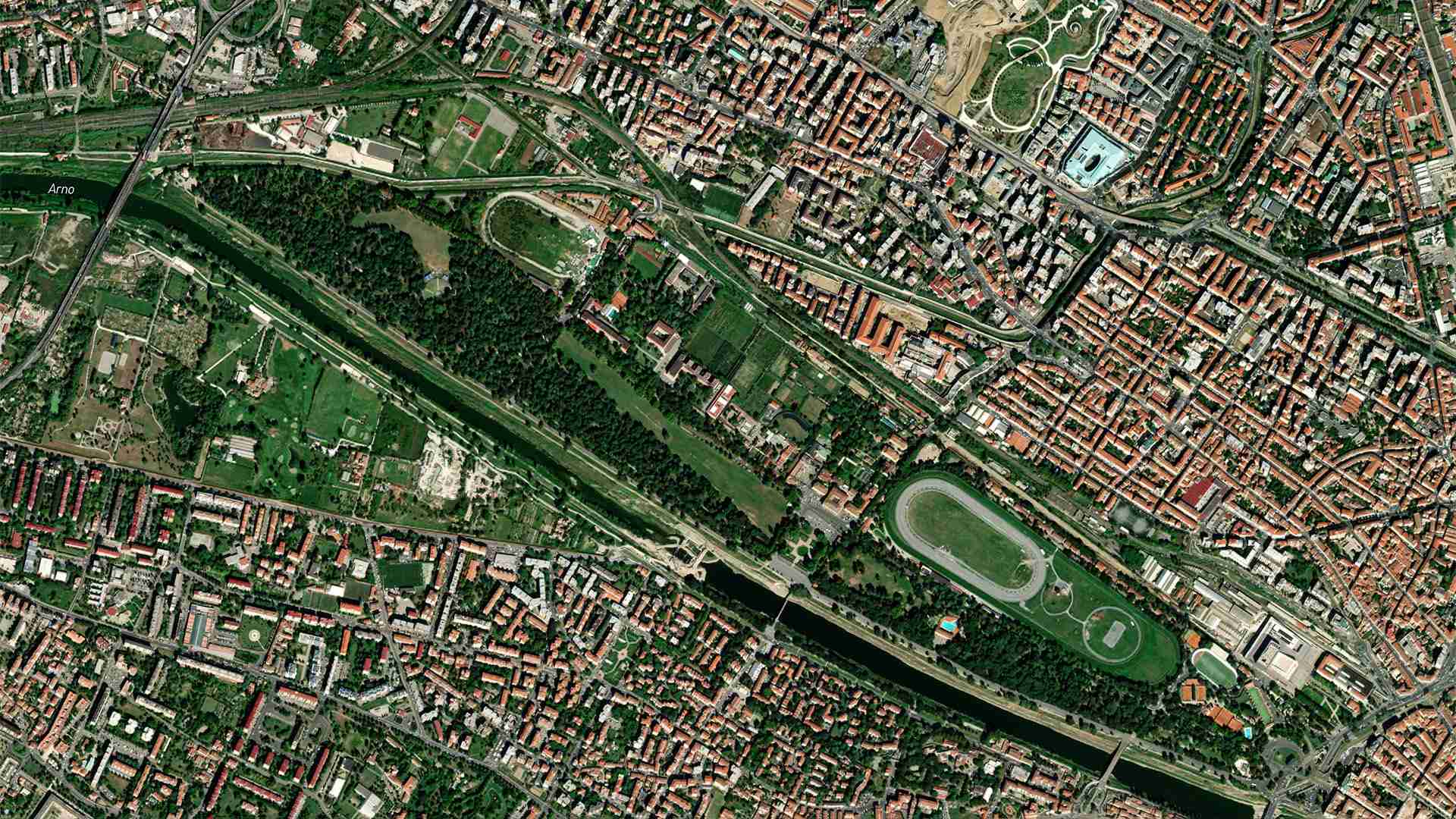
+ CASCINE is a choral contribution of civic imagination on Florence’s Cascine Park, created to promote its identity as a cultural institution and common good.

It was a path of research, stakeholder engagement and communication, promoted by Manifattura Tabacchi and LAMA, with the aim of bring the issue of governance, protection, enhancement and livability of Florence’s largest green lung back to the city’s attention. Beginning with desk research on key features of the Park’s history and heritage, LAMA conducted in-depth interviews with experts, park business operators, cultural institutions and public administration referents, which produced a collective imagination document, an augmented map of the Park and a call for projects intended to create a public digital archive of the many studies and projects insisting on the Park from various disciplinary perspectives.

manifatturatabacchi.com/piu-cascine/

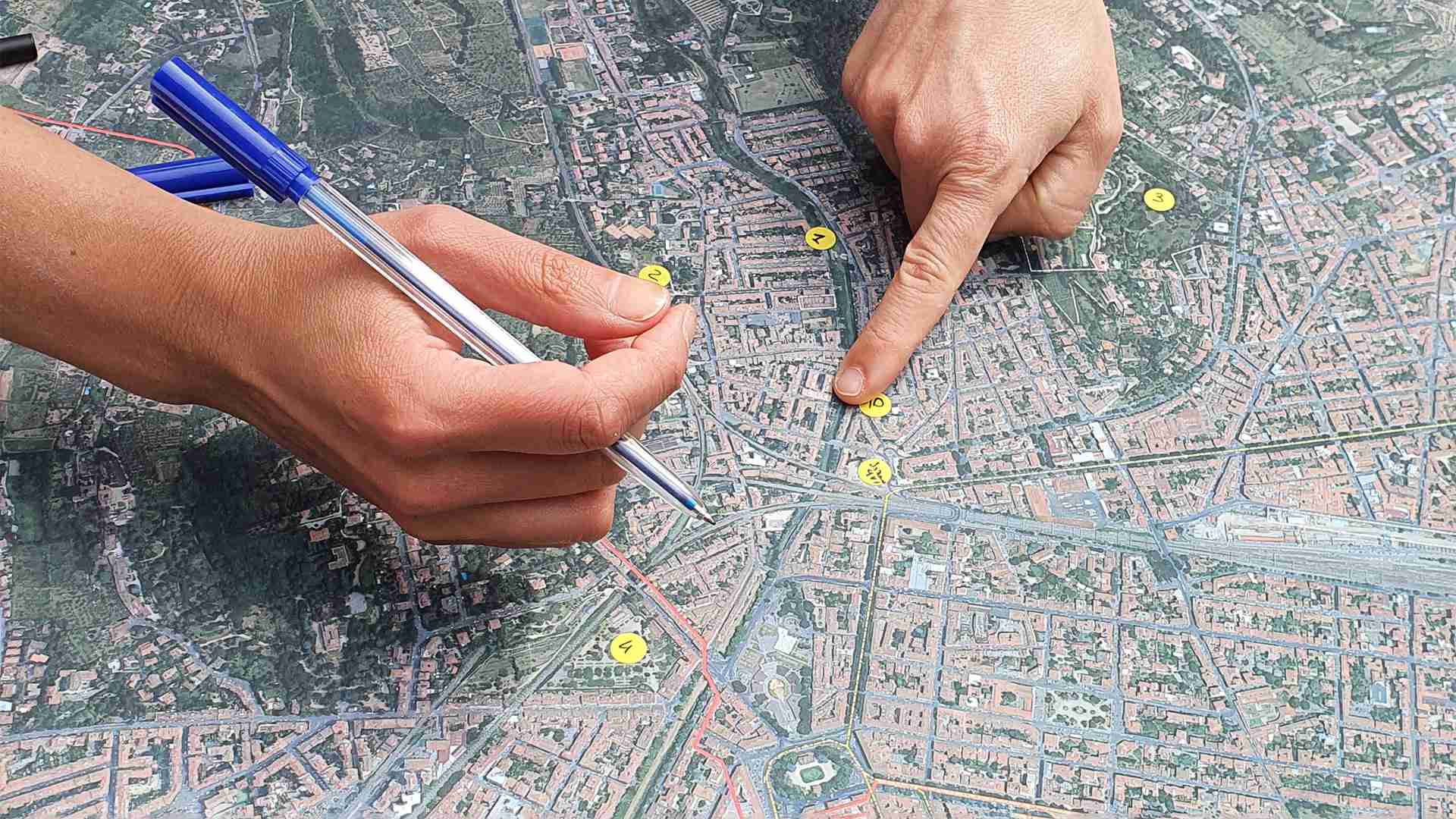
Parco delle Cascine di Firenze: una veduta dall'alto.

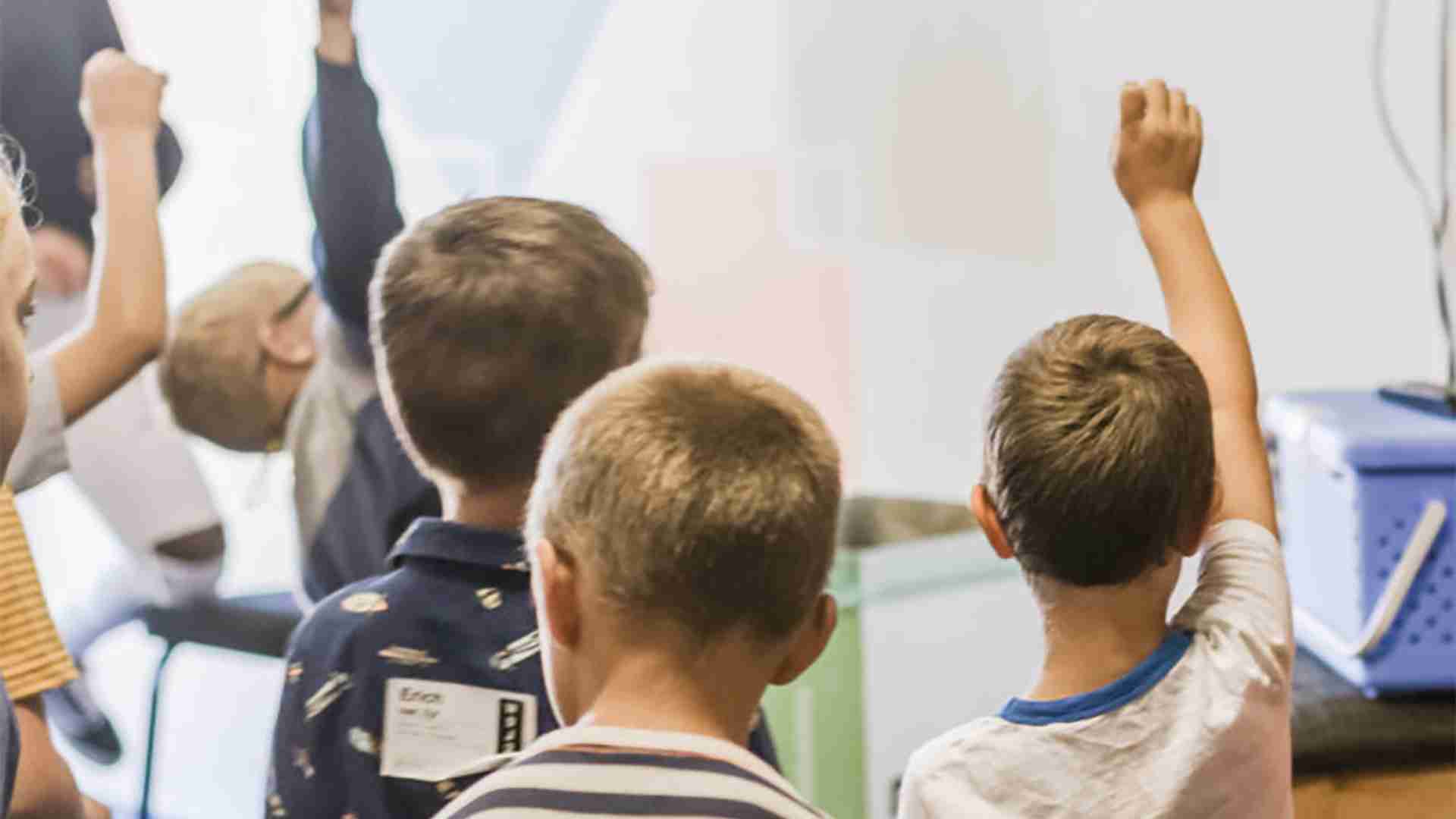
LAMA was commissioned by the social enterprise Con i Bambini to carry out a meta-analysis of programmes aimed at tackling educational poverty in Italy (2016–2018).

The analysis focused on approximately 214 million euros in grants awarded through three national calls. LAMA examined the related Theory of Change and mapped the funded projects, analysing their partnerships, objectives, and the innovative practices implemented.

LAMA also conducted a participatory evaluation of the results achieved by the projects, using questionnaires addressed to lead organisations, partner schools, and internal evaluators. The final outcome of the meta-analysis consists of a set of policy recommendations addressed to policymakers and stakeholders working on child educational poverty in Italy, who were also involved throughout the process through dedicated interviews and workshops.

conibambini.org/valutazione-partecipativa-dei-programmi-del-fondo

Meta-analisi dei Programmi di contrasto della povertà educativa: in foto bambini in classe.

The Florence Osservatorio dei Mestieri d’Arte (OMA), together with the Fondazione Cassa di Risparmio di Firenze, commissioned LAMA to carry out a feasibility study to check the condition of the artistic craftsmanship enterprises in the Florentine area, useful for the definition of a model to support the (re)establishment of these enterprises in the Historic Centre of Florence, with the dual objective of supporting the sector and providing an opportunity to relaunch the city.

The study was carried out through the analysis of regulations and context data concerning the Florentine artistic handcraft sector, a questionnaire to the companies of the OMA network, interviews to local stakeholders, a desk research of European best practices on resettlement projects. Possible scenarios were then drawn up, with relative risks and opportunities, for models to support artistic craftwork, favouring its settlement in the historic centre.

InCUBE is a Horizon Europe project that involves a wide network of partners from the construction, energy efficiency, and urban regeneration sectors.

In line with the sustainability goals promoted by the Green Deal and the New European Bauhaus, it supports the implementation of refurbishment interventions on 3 European city buildings (Zaragoza, Groningen, and Trento) with different end-uses, introducing and testing the integration of new technologies and processes in an innovative way for the sector. LAMA participates in the project as a social impact expert. Its role is to foster inclusive processes that involve the involved workers and the final users of the buildings. hrough a continuous cycle of pre-assessment, support, and evaluation of the three pilots, LAMA helps the different sites and their stakeholders to implement inclusive approaches and to assess the results achieved.

https://www.incubeproject.eu

Budget: €9.989.643,0

Duration: 48 months

Role: Partner

Partners:

Applicant: ETHNIKO KENTRO EREVNAS KAI TECHNOLOGIKIS ANAPTYXIS [CERTH] GR
Other partner organisations:
1) Intelligent Solutions for Zero and Positive Energy Buildings [IsZEB] GR
2) KENTYOU [KENT] FR
3) Institut de Tecnologia de la Construccion de Catalunya [ITeC] ES
4) Federatie van Verenigingen voor Verwarming en Luchtbehandeling in Europa [REHVA] BE
5) COMUNE DI TRENTO [TRE] IT
6) Fondazione Bruno Kessler [FBK] IT
7) RINA Consulting S.p.A. [RINA-C] IT
8) K-Flex Polska sp. z o.o. [K-FLEX] PO
9) TEGOLA CANADESE SRL [TEGOLA] IT
10) Tera Società a Responsabilità Limitata [TERA] IT
11) Evolvere SpA Società Benefit [EVOLVERE] IT
12) Eneren S.r.l. [ENEREN] IT
13) Sociedad Municipal Zaragoza Vivienda S.L.U [ZAVI] ES
14) FUNDACION CIRCE CENTRO DE INVESTIGACION DE RECURSOS Y CONSUMOS ENERGETICOS [CIRCE] ES
15) METRO7 EDIFICACION SINGULAR Y CONSTRUCCION SOSTENIBLE, S.L. [METRO7] ES
16) ABORA ENERGY, S.L. [ABORA] ES
17) Kover Siglo XXI, S.L. [KOVER] ES
18) EDP SOLAR ESPAÑA SA [EDPS] ES
19) Van Wijnen Groningen B.V. [VW] NL
20) Stichting Lefier [LEFIER] NL
21) STICHTING NEW ENERGY COALITION [NEC] NL
22) WEBO B.V. [WEBO] NL

The BET! – project, in which LAMA is a partner together with ActionAid, AIDGLOBAL, Oxfam and APDD Agenda 21 – is funded by the European Erasmus+ programme and aims to innovate the professional practices, skills and knowledge of 400 European teachers in order to adequately respond to the challenges of a global and digital society.

LAMA supported the needs analysis on educational innovation and digital competence development in the Covid 19 and post-Covid 19 era; this analysis served to support the design of a European Digital Curriculum useful to identify the best learning strategies and the implementation of the BET! Academy – a set of training courses and webinars for teachers.

Budget: €293.262,0

Duration: 24 months

Role: Partner

Partners:

Applicant: Oxfam Italia Onlus (IT) Other partner organisations: 1) ASOCIATIA ASISTENTA SI PROGRAME PENTRU DEZVOLTARE DURABILA – AGENDA 21 (RO) 2) AIDGLOBAL – Acção e Integração para o Desenvolvimento Global (PT) 3) ACTION AID HELLAS ASTIKI MI KERDOSKOPIKI ETAIRIA (EL)

Firenze Prossima is a large-scale citizen survey that was based on the dissemination of online questionnaires and the use of digital engagement tools to collect responses and proposals from citizens on various issues that concern them.

How have people’s habits changed as a result of the pandemic? What factors contribute to improving the quality of life in the districts and neighbourhoods? What are citizens’ priorities for making Florence greener and more sustainable?

The survey, supported by a communication and data visualisation campaign, ran for a month through five online questionnaires (one for each district), and collected a total of 7485 valid response. Four reports were produced on the changes in Florence, the strategic themes, the focus on young people, women and city users, and districts. The reports can be downloaded here:

https://firenzeprossima.it/firenze-prossima-ascolto/

The overall objective of the evaluation work of the program “TorinoProxima – From Civic Imagination to Social Enterprise,” assigned by Compagnia di San Paolo to LAMA, is to guide the Foundation in the general understanding of the effectiveness of the initiative promoted, the purpose of which is to stimulate civic and cultural imagination projects on the future of the City of Turin towards the creation of a new social impact entrepreneurship. From the evidence emerging from the analysis of implementation of the pre-acceleration pathways, LAMA produced a series of reflections on the possible replicability/scalability of the intervention model.

https://www.compagniadisanpaolo.it/it/news/torino-proxima-dallimmaginazione-civica-allimpresa-sociale/

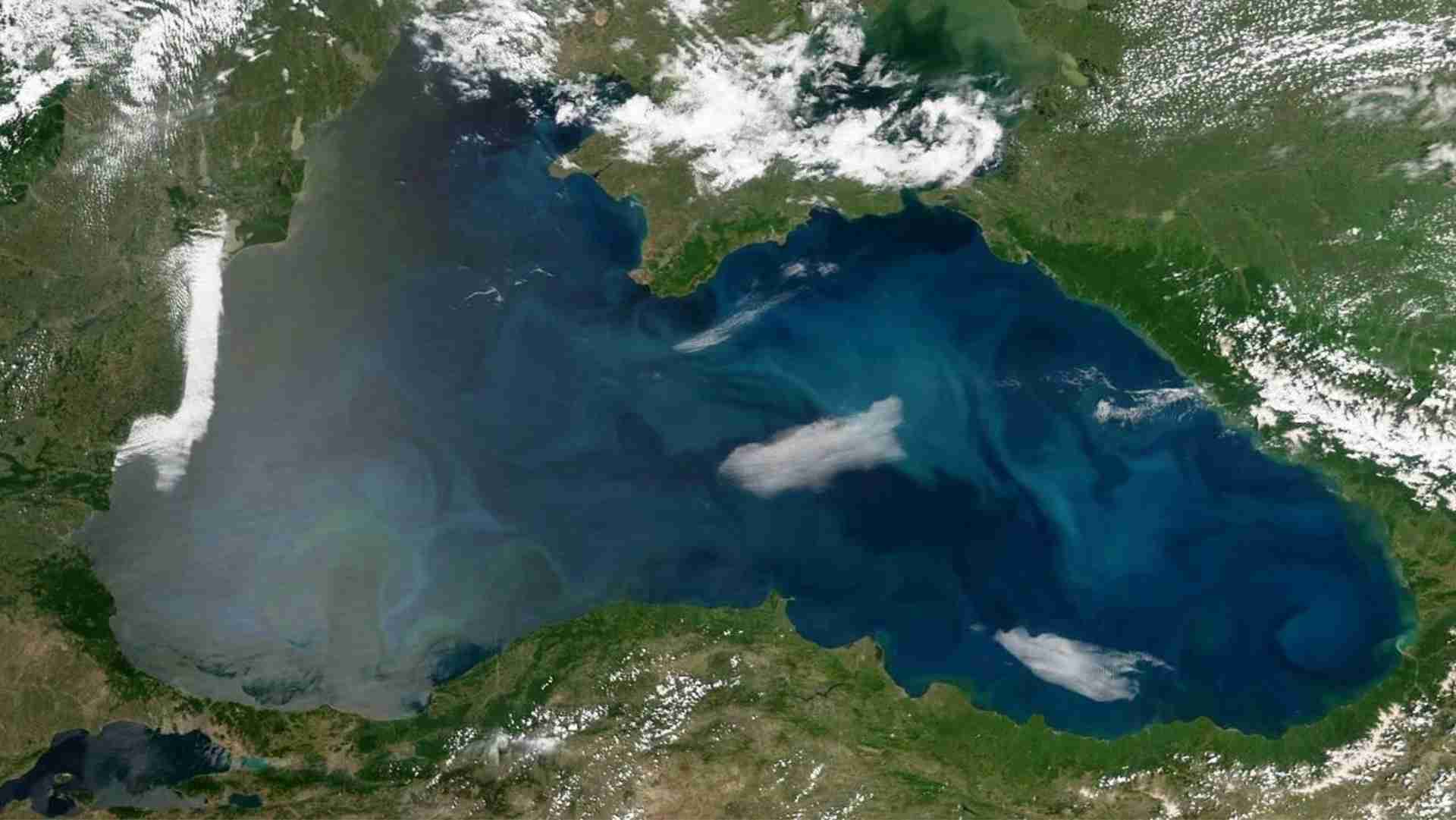
The partnership consisting of Ambiente Spa (lead partner), LAMA, OIKUMENA (Moldovan NGO) and RACSE (Ukrainian think tank) was awarded the contract for the Black Sea pollution diagnostic service, funded by the World Bank’s Blueing the Black Sea Program. The overall objective of the program is to foster investment in the blue economy for the Black Sea and strengthen regional dialogue and institutions. LAMA was responsible for stakeholder analysis and stakeholder mapping, engagement processes and consultation with communities in the most polluted areas through interviews and online questionnaires. The objective of the activity being carried out by LAMA is to increase collaboration, knowledge transfer, and synergies among institutions to address the problem of pollution in the Black Sea and to raise awareness of these problems at both institutional and non-institutional levels. Together with the World Bank, LAMA was also responsible for the dissemination of the final results of the assignment.

https://ambientesc.it/ambiente-participate-to-the-blueing-the-black-sea-programme/

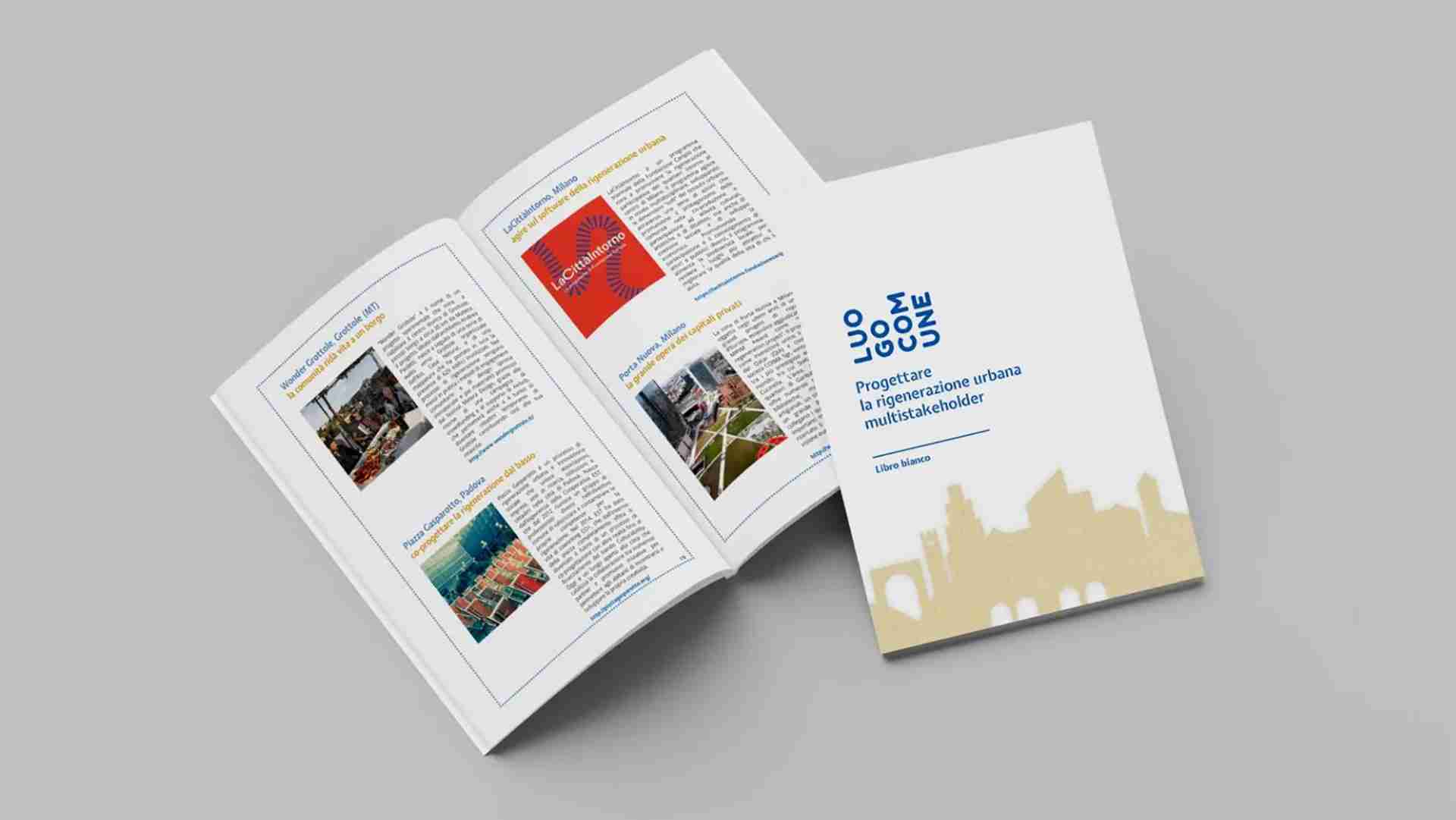
In 2018, LAMA wanted to ground its experience on implemented urban regeneration interventions (Impact HUB and Manifattura Tabacchi Florence), with the writing of a white paper entitled “Designing Multistakeholder Urban Regeneration”. A contribution of knowledge and case histories that aims to be a useful tool for Public Administrations, Professionals, Operators and Real Estate Development Funds to initiate processes and policies of urban regeneration that see the co-presence of elements essential to the success and sustainability of these interventions: the involvement of communities, the quality of real estate supply, the mobilization of public-private finance, and the protection of the collective interest for the development of polycentric and biodiverse cities. The White Paper is the result of a research and engagement process that involved interviews, meetings, and desk research activities, combining a reading of current trends and policies with a collective and choral vision that feeds on the views and expertise of all stakeholders.

Download the white paper (in Italian)

In 2015, LAMA, in partnership with Social Seed, was commissioned by Fondazione Unipolis to conduct research aimed at analyzing emerging forms of the collaborative economy, to identify possible points of contact or interaction with the world of cooperative enterprises and highlight areas of innovation and “mutual contamination” that may emerge for these two worlds.

www.fondazioneunipolis.org

In 2016, LAMA, in a joint venture with Irecoop Emilia Romagna, was awarded the contract, through a tender by the National Agency for Investment Attraction and Enterprise Development INVITALIA – MISE, to carry out a feasibility study aimed at investigating the phenomenon of community cooperation and the presidium/care/development impacts on the territory that it is able to generate. The study conducted in collaboration with Italia Consulting Network SpA, A.I.C.CO.N., Atlante, Euricse, Barberini Foundation, Tor Vergata University, defined community cooperation as a manifestation, tool and outcome of a broad phenomenon of community resilience in the most impoverished and least accessible areas across the country and is ultimately considered a policy tool.

www.mise.gov.it

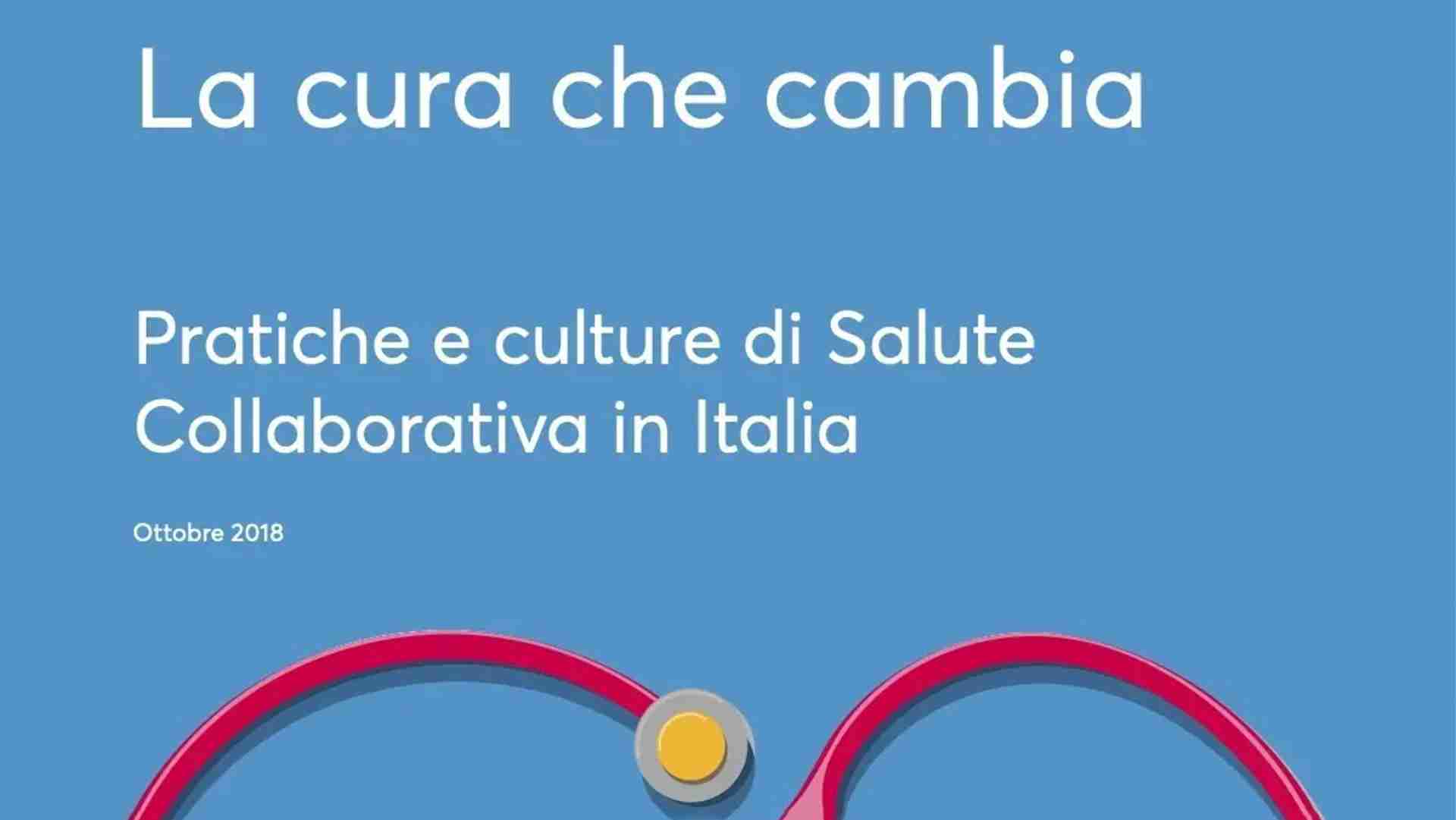
In 2018, Nesta Italia – with the support of Unicredit – launched a national survey to map innovative practices in Italian health and welfare, focusing specifically on “collaborative health” models, that is, those that leverage individual and collective empowerment and the enabling role of technologies to promote greater system inclusiveness and sustainability.

LAMA participated in the research by curating the analysis of the Italian context, interviewing stakeholders, and developing the conceptual framework for collaborative health in Italy. LAMA also contributed to the mapping of case studies and the production of final recommendations addressed to health systems, businesses, and nonprofit stakeholders.

In 2018, LAMA was awarded, through a tender by the National Agency for the Attraction of Investments and Enterprise Development INVITALIA – MISE, the assignment for the feasibility study of a user- and worker-owned cooperative platform in urban mobility. Conducted in partnership with Aiccon, CO.TA.BO, Unipol Gruppo, CGIL, CNS, Cooperatives Europe, and the Platform Cooperativism Consortium, the study carried out a feasibility plan for the realisation of a cooperative platform, as well as a national and international benchmarking analysis on shared mobility models and a sample survey on the mobility habits of the citizens of Bologna, the tester city identified in the study.

www.mise.gov.it

LAMA Impresa Sociale - Studio di fattibilità di una piattaforma cooperativa nell’ambito della mobilità urbana

Business and social economy are often treated as independent sectors. Most often, however, they are united by an interest in social impact, which leads to forms of collaboration that have significant potential for innovation and community benefit.

Together with the lead partner Technopolis, and five other international research centres, LAMA contributed to a European study commissioned by EASME (EU Commission) as a follow-up to the Social Business Initiative, a European initiative to support social enterprise.

The study assessed existing collaborations between businesses and the third sector, through questionnaires, interviews and the realisation of case studies in different sectors and subject areas. LAMA was also responsible for the development of an evaluation model for profit/non-profit collaborations, co-created with experts, companies and stakeholders from the sector.

ec.europa.eu/easme/en

Artificial Intelligence (AI) is changing the way we produce, consume, care, and participate. Today, it is crucial to ask how best to harness these technologies to make them a tool for well-being, serving the priorities and needs of the community. In 2019, LAMA won the tender issued by NESTA UK, the UK’s innovation agency, to carry out a study aimed at mapping the state of the art of how AI is being used today in collective projects, to enable new forms of exchange, collaboration, and shared problem solving at a local or global level.

https://www.nesta.org.uk/blog/aici-future-minds-and-machines/

Since 2016, LAMA has been an accredited subject for the Impact Assessment of projects aimed at addressing educational poverty, financed by the social enterprise Con i Bambini (managing entity of the National Fund for the fight against child educational poverty). In these projects, LAMA is responsible for impact assessment, which is carried out through participatory and statistical approaches, employing qualitative-quantitative methods with the use of questionnaires to children, families and teachers, focus groups with teachers and parents, semi-structured interviews with stakeholders, data collection from stakeholders and from official statistical sources.

www.conibambini.org